
Fun with RC Racing: A Grandfather-Grandson Journey
11/30/20258 min read

Introducing RC Racing to Kids
The world of remote-controlled (RC) racing offers a thrilling experience that captivates the imagination of children and adults alike. For young enthusiasts, engaging in RC racing can be an incredibly rewarding activity, combining the excitement of competition with the joy of hands-on learning. Each race presents not only an opportunity to showcase skill and speed but also a chance to explore the mechanics behind these fascinating vehicles.
By introducing kids to RC racing, parents can foster a genuine passion for engineering and technology. Papaw Stan believes that relaying his enthusiasm for the sport is crucial in instilling interest in his grandson. When children are involved in building and racing their own RC cars, they gain valuable practical skills, such as problem-solving, critical thinking, and teamwork. These key competencies serve them well in various aspects of their lives, reinforcing the connection between play and learning.
Additionally, the social aspect of RC racing cannot be overlooked. When kids compete, they learn lessons about sportsmanship, patience, and resilience. These traits are crucial for emotional development, allowing them to navigate challenges while fostering friendships with peers who share similar interests. The friendly competition provides a nurturing environment where children can grow together, both personally and socially.
Moreover, with technological advancements, RC racing has become increasingly accessible. There are many types of RC vehicles tailored for different age groups and skill levels. Whether a child is enthusiastic about off-road trucks or speedy on-road cars, there is an option available that suits their preferences. This diversity further encourages kids to explore the intricacies of RC cars and their respective racing environments.
Overall, embarking on the journey of RC racing can unleash a world of fun and learning for children. By sharing his knowledge and passion, Papaw Stan hopes to inspire young minds to embrace this dynamic hobby as they learn, grow, and create lasting memories together.
The Bonds of Generational Learning
The relationship between grandparents and grandchildren often holds a unique depth, rooted in mutual love and respect. As Papaw Stan and his grandson delve into the world of RC racing, this shared hobby transforms into a powerful medium for generational learning. Engaging in activities like RC racing not only allows them to bond over a shared interest but also facilitates the transfer of knowledge and skills from one generation to another. In this instance, the lessons extend beyond the mechanics of the cars; they encompass teamwork, patience, and perseverance as they navigate the intricacies of the sport together.
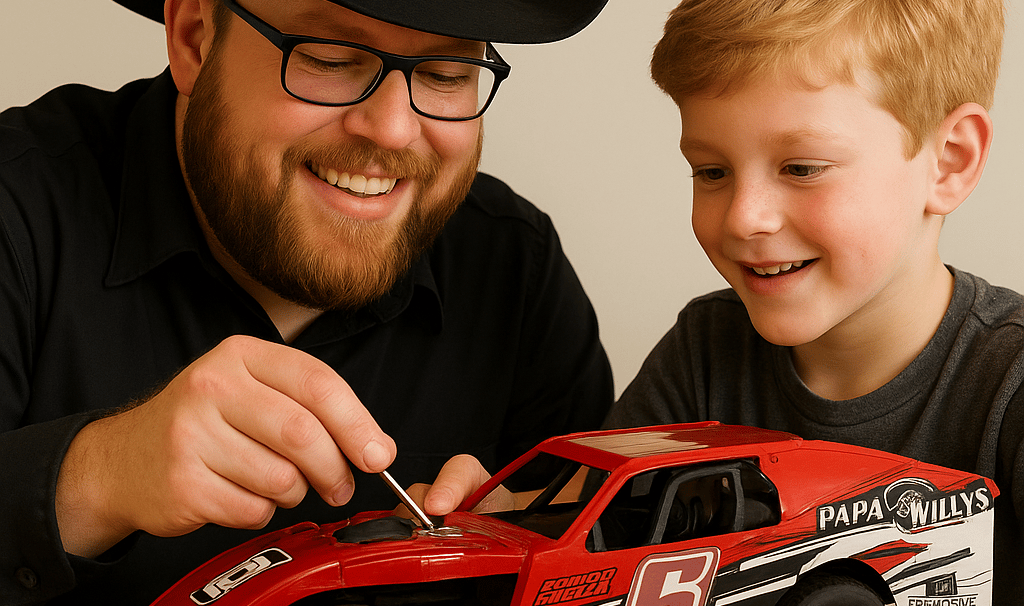
The emotional value of spending time together outdoors and participating in RC racing is paramount. As they assemble their model cars and prepare for races, Papaw Stan imparts practical skills, teaching his grandson how to troubleshoot issues, make adjustments, and ultimately, succeed in racing. This hands-on learning fosters a sense of accomplishment and boosts self-confidence in the younger participant. Moreover, these experiences create lasting memories, which can significantly impact the young man's development while reinforcing familial connections.
The safety net of a grandparent's mentorship offers a unique and trusted environment where grandchildren feel free to explore, learn, and make mistakes without the pressures that often accompany competing in peer environments. This creates an invaluable space for open communication, allowing the grandson to ask questions and seek guidance at any moment. Such interactions strengthen the family bond, as stories, wisdom, and life lessons are shared through the lens of their shared hobby. Therefore, engaging in RC racing paves the way for these lasting connections that enrich both their lives. Ultimately, the relationship nurtured during these moments embodies the essence of family and generational learning, solidifying a legacy of shared passions and collective growth.
Understanding Chassis Tuning
Chassis tuning is an important concept in the world of remote control (RC) racing that every enthusiast, especially young ones, should become familiar with. Imagine a race car as a bicycle. Just like a bicycle needs adjustments to ride smoothly, an RC car requires tuning to perform at its best on a racetrack. But what does it mean to tune a chassis? Let’s break this down in simple terms.
The chassis serves as the backbone of an RC vehicle. It is the frame that holds all parts together, such as the wheels, motors, and electronics. Tuning the chassis refers to making specific adjustments to how these components are set up. One common analogy is thinking of chassis tuning like adjusting the seat and handlebars of a bicycle to make it more comfortable and faster. If the seat is too high or the handlebars are out of reach, it can be difficult to ride at your best. Similarly, tuning the chassis ensures that the RC car handles well and remains stable during races.
There are several ways to tune a chassis. For instance, changing the suspension settings can help the car absorb bumps in the track better, just as having softer tires on a bike can make for a smoother ride. Tweaking the weight distribution, such as moving batteries or other components, can significantly impact how fast the car can corner and accelerate. Each of these adjustments has a purpose, allowing the driver to customize the car's performance to match personal preferences or specific racing conditions.
Tuning may initially seem complex, but the excitement of discovering how small changes can make a significant difference in performance is part of the fun of RC racing. Young racers should not hesitate to ask questions about chassis tuning. Each query will lead to even more interesting insights into the fascinating world of RC racing.
Balance in RC Racing: Tight vs. Loose Handling
In the world of remote control (RC) racing, understanding the concepts of 'tight' and 'loose' handling is crucial for optimizing performance on the track. These terms refer to how the car responds to steering input and how its weight is distributed during a race. A 'tight' handling car is one that is less responsive to steering; it feels as if it is stuck to the track. This can be advantageous when navigating tight corners, as it helps with stability and predictability.
On the other hand, a 'loose' handling car is more responsive to the steering wheel and can feel almost overly eager, sometimes leading to oversteering, where the rear of the car may slide out during sharp turns. While this can provide an exciting and dynamic driving experience, it may also introduce challenges in maintaining control, especially for younger or less experienced racers.
Now, you might wonder about the significance of balance in RC racing. Just like a well-balanced seesaw, tuning the handling of your RC car can make all the difference. When a car is balanced, it allows for smoother transitions between acceleration, steering, and braking. For example, think of driving on a snowy day; if your RC car is too tight, it may struggle to make sharp turns, while if it’s too loose, it could spin out easily. Therefore, understanding how to adjust the balance is vital.
Young racers must recognize that different track conditions require different handling setups. A tight setup might be preferred for a narrow, twisty track, whereas a looser setup could be beneficial on a wide and fast surface. Tuning for these conditions provides an invaluable opportunity for young racers to learn, experiment, and enhance their skills, making RC racing both fun and educational.
Breaking Down the Parts of the Racetrack
In understanding RC racing, it is essential to recognize the racetrack's four main components: the straightaways, turns, curves, and elevation changes. Each section plays a critical role in shaping racing strategy and the car's tuning to optimize performance. By breaking down these elements, we can better appreciate how they interact and influence the outcome of a race.
The first part, straightaways, are crucial for achieving maximum speed. These sections offer racers the opportunity to accelerate their vehicles to their fullest potential. Effective tuning for straightaways typically involves focusing on the car's power-to-weight ratio and gearing. A well-tuned car can capitalize on these stretches, allowing for overtaking and leading ahead in the race.
Next, we have the turns. Turns present a unique challenge as they require precise control and racing skill. The car's suspension and wheel alignment become critical here, as they affect how the vehicle navigates sharp angles and corners. A low center of gravity and proper tire grip can dramatically improve a racer’s ability to weave through turns and maintain a competitive edge.
Curves, while similar to turns, involve a more gradual change in direction and differ in strategy. Curves demand a balanced approach between speed and handling. A vehicle that is overly stiff may struggle, causing the car to slide or lose traction. Therefore, fine-tuning aspects such as shock absorbers can make a significant difference in a racer's ability to stay on track.
Lastly, elevation changes introduce another level of complexity. Hills, dips, and jumps require specific adjustments in suspension settings and weight distribution. These factors can drastically influence acceleration and braking performance as cars tackle varying altitudes. By understanding how each segment of the racetrack works in unison, racers, especially new enthusiasts like my grandson, can develop more effective racing strategies and boost their skills on the track.
Fostering a Love for Learning through Play
Engaging in remote control (RC) racing can transcend mere entertainment, evolving into a multifaceted educational experience for both Papaw Stan and his grandson. This dynamic activity not only brings enjoyment but also serves as an innovative platform to foster critical skills essential for learning. As Papaw Stan introduces his grandson to the world of RC cars, they embark on a journey that emphasizes the importance of hands-on learning.
Throughout their RC racing adventures, the duo encounters various challenges that require them to think critically. For instance, tweaking the car's settings for optimal performance encourages problem-solving. Every race brings opportunities to review their strategies and make adjustments, fostering a mindset of continuous improvement. By analyzing what went wrong and what worked well, they cultivate essential analytical skills that are paramount in all areas of study.
Moreover, teamwork plays a crucial role in their RC racing sessions. Papaw Stan encourages collaboration, teaching his grandson the value of sharing ideas and working together towards a common goal. As they engage in preparation for a race, communication becomes pivotal. Together, they discuss tactics, strategize on how to navigate obstacles, and celebrate each other's strengths. This collaborative environment nurtures social skills and reinforces the idea that learning is often best accomplished in partnership with others.
Additionally, the exploration of technology through RC racing introduces fundamental engineering principles. As they modify car designs or understand the mechanics behind remote control systems, the grandson develops a genuine interest in STEM fields. This engaging approach demonstrates how play can facilitate educational growth, ultimately igniting curiosity and a love for continued learning.
Looking Ahead: The Future of RC Racing Adventures
As the journey of Papaw Stan and his grandson unfolds, the future of their RC racing adventures appears both exciting and promising. With each passing day, their bond strengthens, not just through family ties but also through their shared enthusiasm for the intricate world of remote-controlled racing. This hobby is not merely about competition; it is about learning, growth, and creating lasting memories.
In the coming months, Papaw Stan and his grandson will focus on enhancing their skills and techniques, diving deeper into the nuances of RC racing. They plan to attend various racing events, ranging from amateur competitions to local club meets, offering them opportunities to practice consistently and learn from experienced racers. This exposure will undoubtedly cultivate both their technical abilities and their understanding of the sport’s community and culture. Engaging with fellow enthusiasts will also foster a spirit of camaraderie, where sportsmanship is celebrated, and knowledge is exchanged.
Moreover, as their enthusiasm continues to flourish, they may consider upgrading their racing equipment. Exploring different types of remote-controlled vehicles presents a thrilling prospect. Whether it be acquiring on-road cars that zip through racetracks or off-road models that tackle rugged terrains, each new addition brings an opportunity for learning and skill enhancement. The excitement of customizing and tuning these vehicles offers endless possibilities to deepen their involvement in RC racing.
Ultimately, the future of Papaw Stan and his grandson's journey in the world of RC racing is bright and filled with adventure. Their shared passion not only fosters perseverance but also guarantees the nurturing of invaluable life lessons. As they continue this fulfilling endeavor, they will undoubtedly discover the boundless potential that exists within their RC racing experiences.